
Oil interceptor servicing and maintenance
Oil interceptors also known as separators play a vital role in preventing pollution from site drainage. But they only work if they’re properly inspected, serviced and maintained.
Whether you manage a fuel island, vehicle wash or industrial yard, regular servicing and scheduled integrity testing help reduce pollution risk, keep you compliant, and give you confidence that your systems are doing their job.
Protect your site and meet obligations with regular interceptor servicing
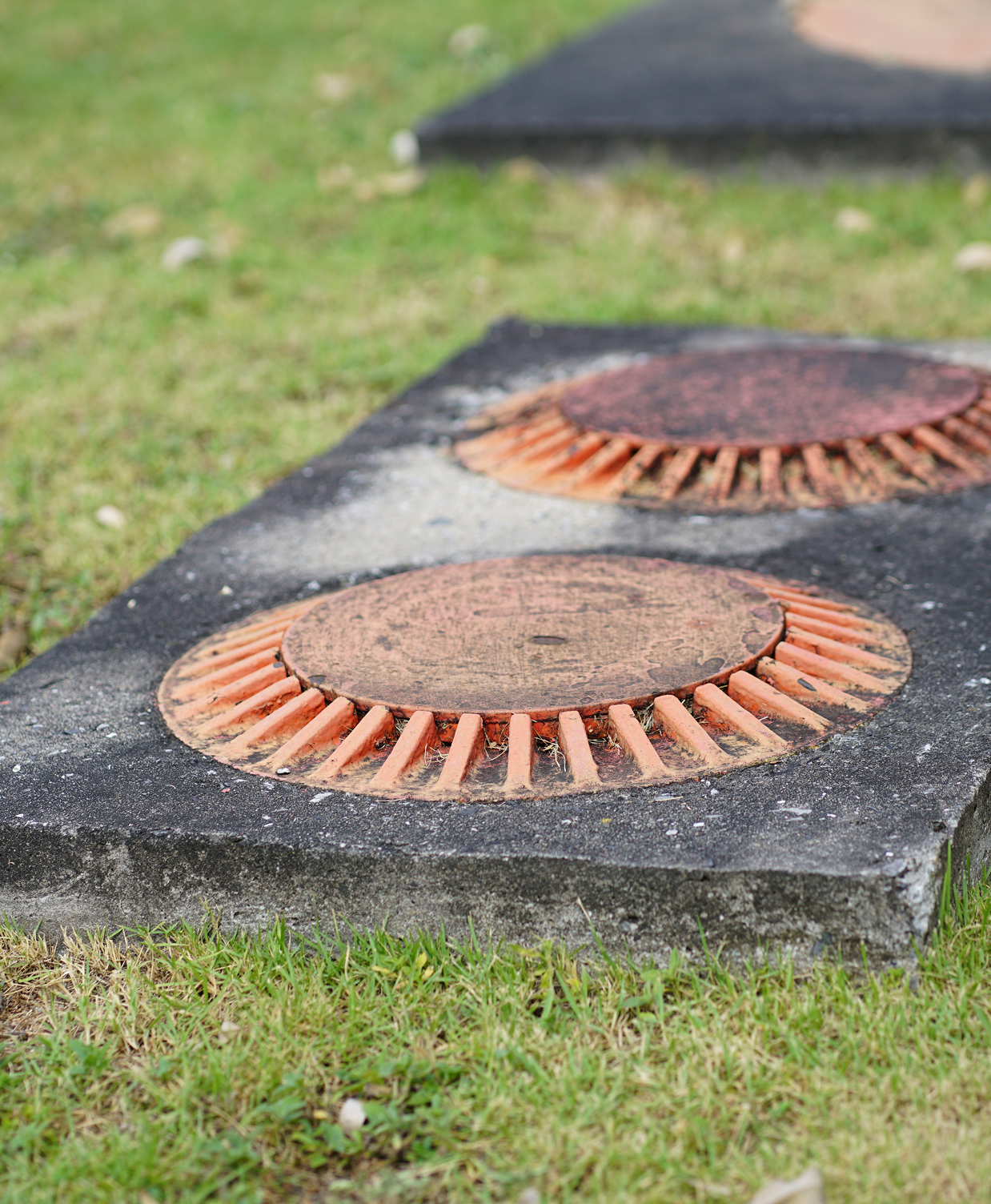
Practical maintenance for compliant site operations
Interceptors are built to stop oils, silt and other pollutants from reaching the drainage system. But without regular maintenance, they become less effective and that’s when problems start. Left unchecked, they can block, wear out or fail completely, increasing the risk of pollution.
We carry out routine servicing every 3, 6 or 12 months, backed by full integrity testing every five years to check long-term condition. After each visit, you’ll get a clear report, waste documentation and practical recommendations if anything needs attention. Everything’s done in line with recognised standards and environmental best practice.








Staying compliant starts with proper interceptor maintenance
If you’re not sure how well your interceptors are working, or whether they’ve been serviced recently, now is the time to act. A structured maintenance programme gives you confidence that pollution risks are under control, environmental responsibilities are being met, and systems are doing what they’re supposed to.
Understand how your interceptors are performing
Regular servicing and integrity testing provide a clear assessment of your interceptor’s condition. This includes identifying any silt or oil build-up, damage, or performance issues that could compromise pollution control. Without inspection, you may not know your system has failed until it’s too late.
Stay prepared for inspections and environmental scrutiny
A documented service history provides evidence of maintenance, inspection, and waste removal for audit or compliance checks. Having proper servicing, integrity testing and waste documentation in place gives you confidence under scrutiny.
Prevent pollution and avoid costly disruption
Interceptor failure can lead to blocked drains, polluted discharges, or even legal enforcement. Routine servicing helps you spot issues early, address them before they escalate, and protect both your operations and your reputation.
Get in touch
Protect your site and meet obligations with regular interceptor servicing


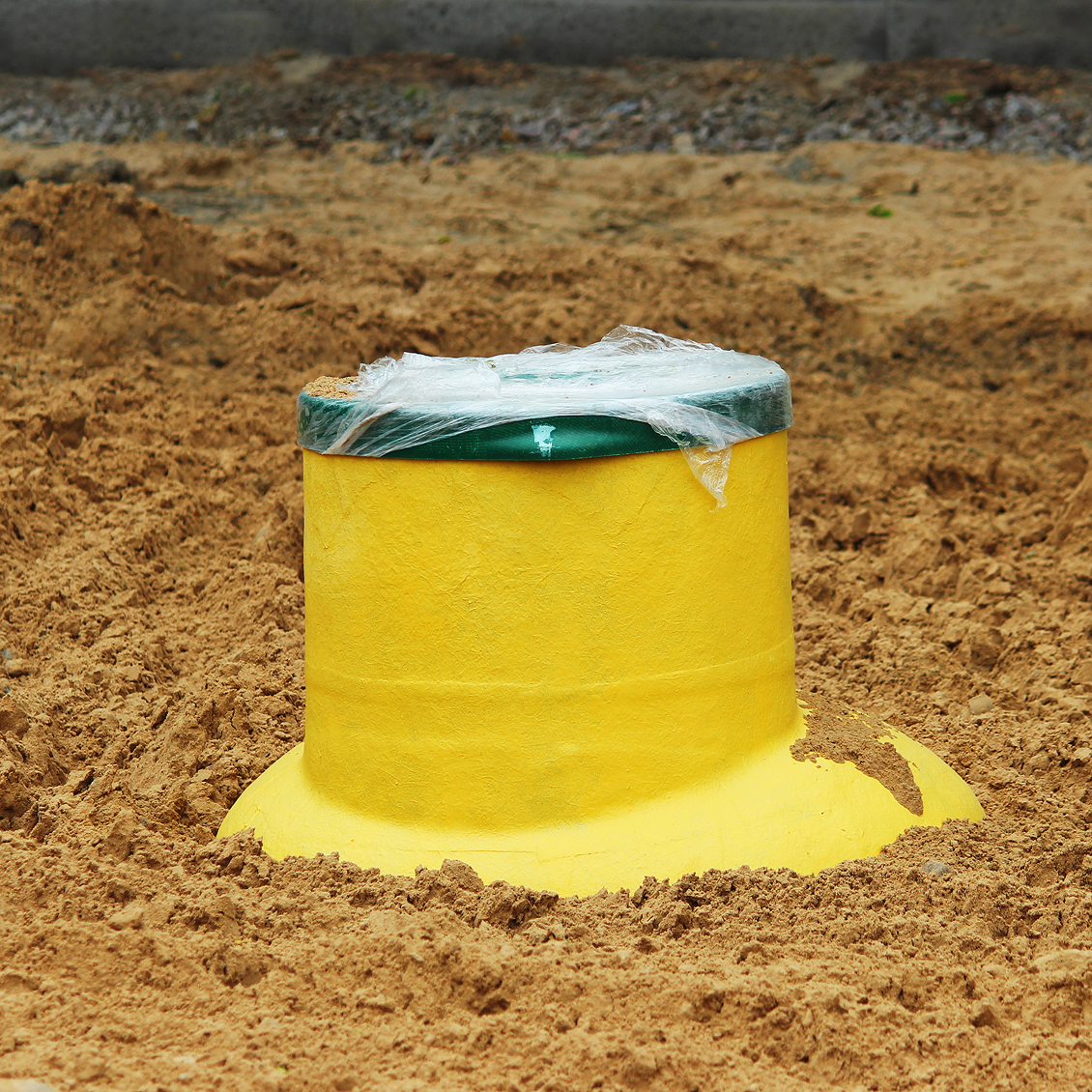
Why oil interceptor maintenance matters
Oil interceptors only work if they’re properly maintained. Without regular servicing, oil and silt build-up can reduce capacity, cause blockages, and lead to pollution. This risks breaching the Water Resources Act 1991 and exposing your site to enforcement. Servicing helps keep systems effective and compliant, while 5-year integrity testing checks for damage that may not be visible during routine visits.
Your details
Protect your site and meet obligations with regular interceptor servicing
Lorem ipsum dolor sit amet consectetur. Vulputate mi et tortor in pulvinar. Viverra amet diam purus nunc non elit aliquet. Enim fringilla egestas penatibus sapien fusce vitae enim tellus. Consectetur.
FAQs
How do I know what type of interceptor I have on site?
Interceptors vary by size, design and purpose. If you’re unsure what’s installed, a maintenance visit or inspection can confirm the type, configuration and condition of your system.
Can interceptor maintenance be carried out without shutting down the site?
In most cases, yes. Routine servicing is designed to minimise disruption and can often be completed during normal operations.
What happens to the waste removed from interceptors?
All oil, silt and contaminated water removed during servicing is classified as hazardous waste. It’s transferred under licensed conditions and disposed of at authorised facilities, with documentation provided for your records.
Can I combine interceptor servicing with other drainage maintenance?
Yes. Interceptor maintenance is often delivered as part of a broader planned preventative maintenance programme, which may also include gully clearing, channel cleaning or wider drainage checks across your site.
What if an interceptor hasn’t been serviced for years?
If a system has been left unmaintained, it may require a full clean, inspection and possible repair before normal servicing can resume. Early intervention can help bring it back under control.